Terrace Layout as a Revenue Decision
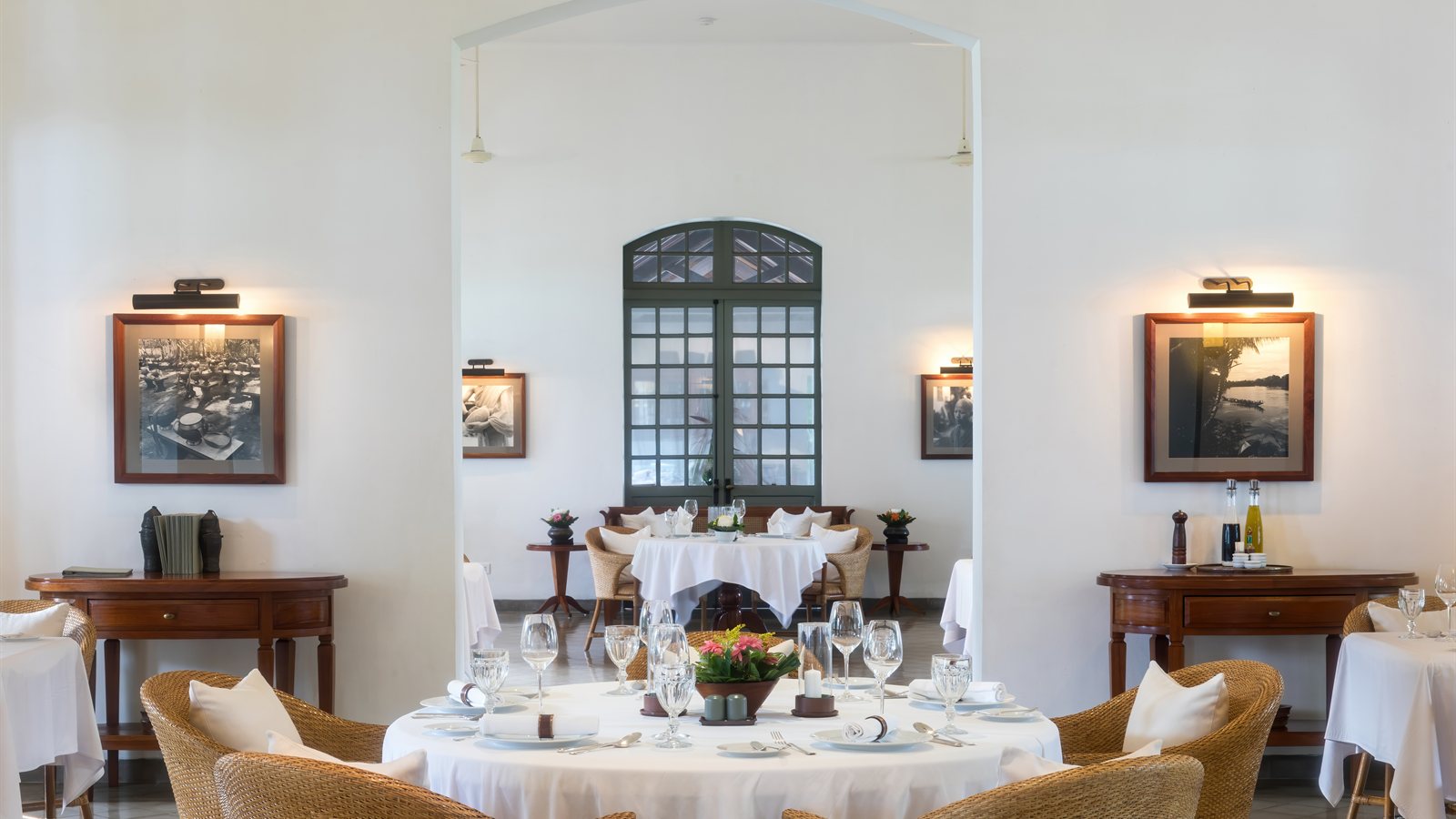
A terrace is not a place to put as many tables as the permit allows. Cover count, table mix, service routes, the position of the station and the distance from the pass all decide how many times a table turns and how quickly a guest is served on a busy evening. We measure the walking distances, redesign the layout around them and often reduce the number of covers while increasing the takings, because a terrace that serves quickly fills three times an evening while an overcrowded one fills once and empties in frustration.
Permits and Licensing Held Correctly
Terrace occupation permits, opening hours, music licences, noise limits, food safety registration, fire certification, allergen documentation and, on many promenades, coastal or waterway authority consents all have their own renewal cycles and their own inspectors. We hold every one of them per site, submit renewals early, keep a single folder that can be handed to any official on the spot, and brief managers on exactly what each inspector will look for. No venue under our management has lost a trading day to a permit failure.
Weather Planned Rather Than Endured
Every site has a written weather protocol with thresholds for closing the terrace, striking parasols, releasing bookings, adjusting the staffing level and switching to a reduced menu, plus a rehearsed procedure for the twenty minutes before a squall arrives. Shade, wind screening, heating and covered sections are specified from local wind data rather than from a catalogue. The result is that bad weather costs a predictable amount instead of producing a chaotic evening and a damaged terrace.
Menus Engineered for the Real Kitchen
Dishes are costed to the gram, tested at full volume in the actual kitchen, and arranged so that no single section becomes a bottleneck at peak. Items that sell well but earn nothing are re-priced or replaced; items that earn well but sell slowly are repositioned on the menu. Suppliers are consolidated, deliveries scheduled around the service pattern rather than the supplier's convenience, and waste is measured weekly. Most sites we take on gain between four and nine points of food margin in the first season without raising prices noticeably.
Seasonal Teams That Come Back
Recruitment starts in January rather than May, rotas are published two weeks ahead, wages are paid on time and above the local norm, meals are provided on every shift and accommodation help is offered where housing is scarce. Training is structured rather than improvised, and supervisors are promoted from within. Around seventy per cent of our seasonal staff return the following year, which means opening week is run by people who already know the site instead of strangers learning during service.
Reporting an Owner Can Audit
Monthly statements show covers, average spend, revenue by area and daypart, food and beverage margins, wage percentage, waste, maintenance spend and cash position, with a short written commentary on what changed and why. Suppliers are paid from a transparent account, we take no rebates behind the owner's back, and our fee is a single published percentage plus agreed rates. Contracts end with three months' notice and a complete handover file including supplier terms, recipes and the staff rota template.